Why Proper Gutter Installation is Crucial for Your Home’s Health?
You are standing at the window during a hard rain, watching water pour straight over the front edge of your gutter in a sheet. It lands in a trench beside the foundation and splashes the siding. Maybe you have also noticed a musty basement smell or paint peeling near the eaves. This is not a small nuisance. It is a drainage system that has stopped carrying water away from your home, and that one failure reaches your roof, walls, basement, and the soil holding everything up.
Here is the most important thing to understand before you climb a ladder. Gutters rarely fail because the metal is cheap. They fail because of how they were pitched, sized, and fastened during installation. After inspecting hundreds of these systems in the field, we can tell you the difference between a dry foundation and slow structural damage usually comes down to a few degrees of slope and where the water lands.
What to do right now
Watch your gutters during the next steady rain, and look for three things. First, water spilling over the front lip, which signals clogging or wrong pitch. Second, water sheeting behind the gutter against the fascia, which signals a loose hanger or a missing drip edge. Third, downspouts dumping water within a foot of the foundation. Then check the ground for eroded mulch or a damp basement wall in that spot.
WARNING: Do not get on a wet or icy ladder to clear gutters, and never lean a ladder against the gutter itself. Most serious gutter injuries in our area happen in late fall and winter on slick rungs or against a gutter that bends under the load. If the roof is two stories, steep, or iced over, stop and bring in a professional.
TIP: Pour a bucket of water into the gutter at the end farthest from the downspout. If it pools instead of running to the outlet, your pitch is wrong, not just clogged. That one test tells you whether you have a cleaning problem or an installation problem.
What poor installation quietly does to your home
Proper gutter installation matters because uncontrolled water finds the most expensive path through your house, and the damage rarely announces itself.
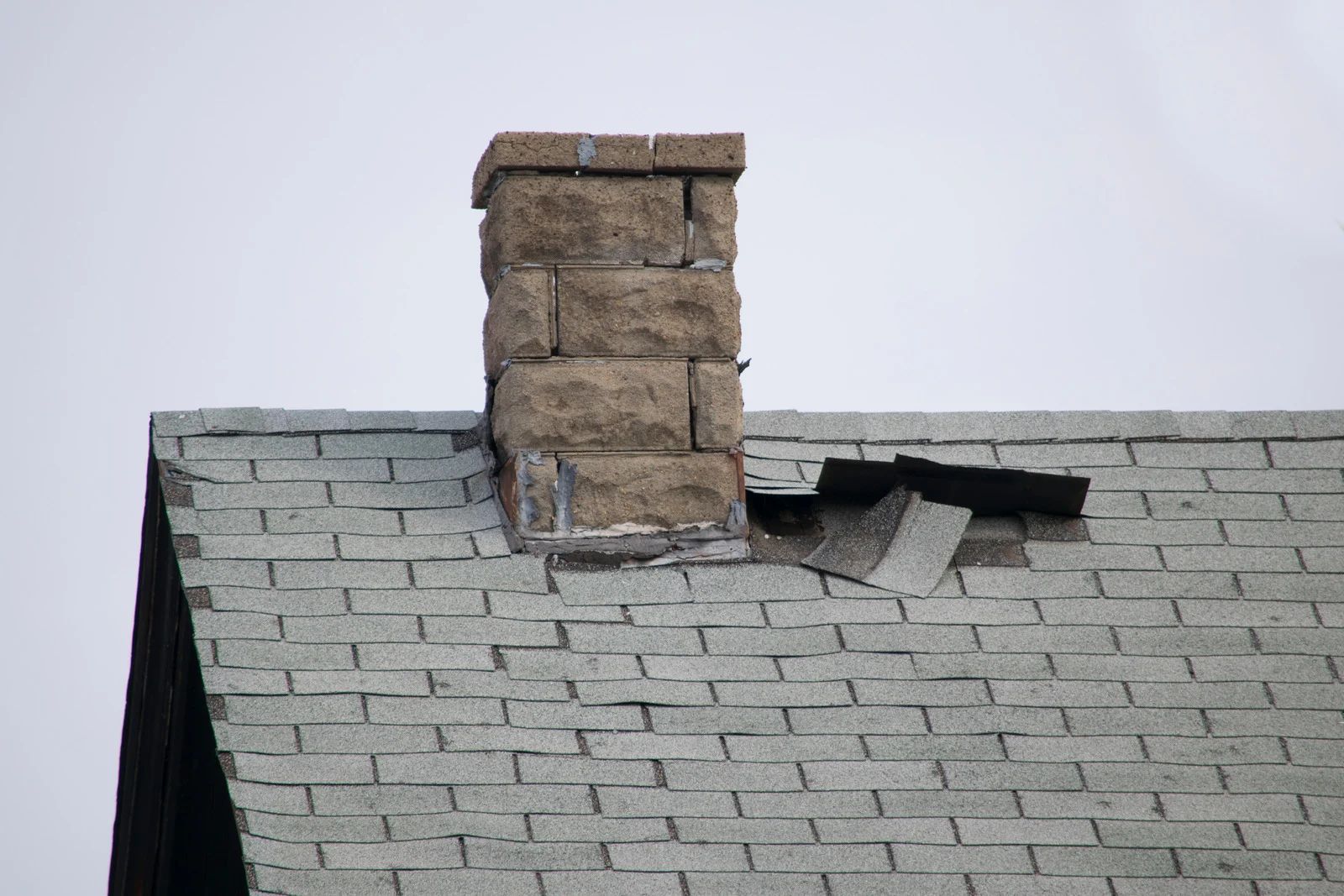
At the roofline, water trapped behind a poorly hung gutter soaks the fascia and the roof sheathing. Wood that stays wet through a New England winter softens, and that is where you get rot, lifted shingles, and ceiling stains far from the actual source. At ground level, downspouts that release water against the house saturate the soil along the foundation. That soil expands when it freezes, presses on the foundation wall, and over several seasons opens hairline cracks into real ones. Installed correctly, your gutters carry every gallon off the roof and release it several feet away, draining from the house instead of into it.
Why gutters fail
The most common cause we find is incorrect pitch. A gutter run needs to drop roughly a quarter inch for every ten feet toward the downspout. Too flat and water sits and overflows. Many runs on older homes were hung level by eye and have overflowed quietly ever since.
Undersized or poorly placed downspouts come next. A long roof slope feeding a single small outlet cannot keep up during the heavy downpours of late summer or the fast melts of late winter. Loose or widely spaced hangers are another frequent finding. When fasteners bite into rotten fascia, the gutter sags, holds standing water, and pulls away under the weight of wet leaves or ice.
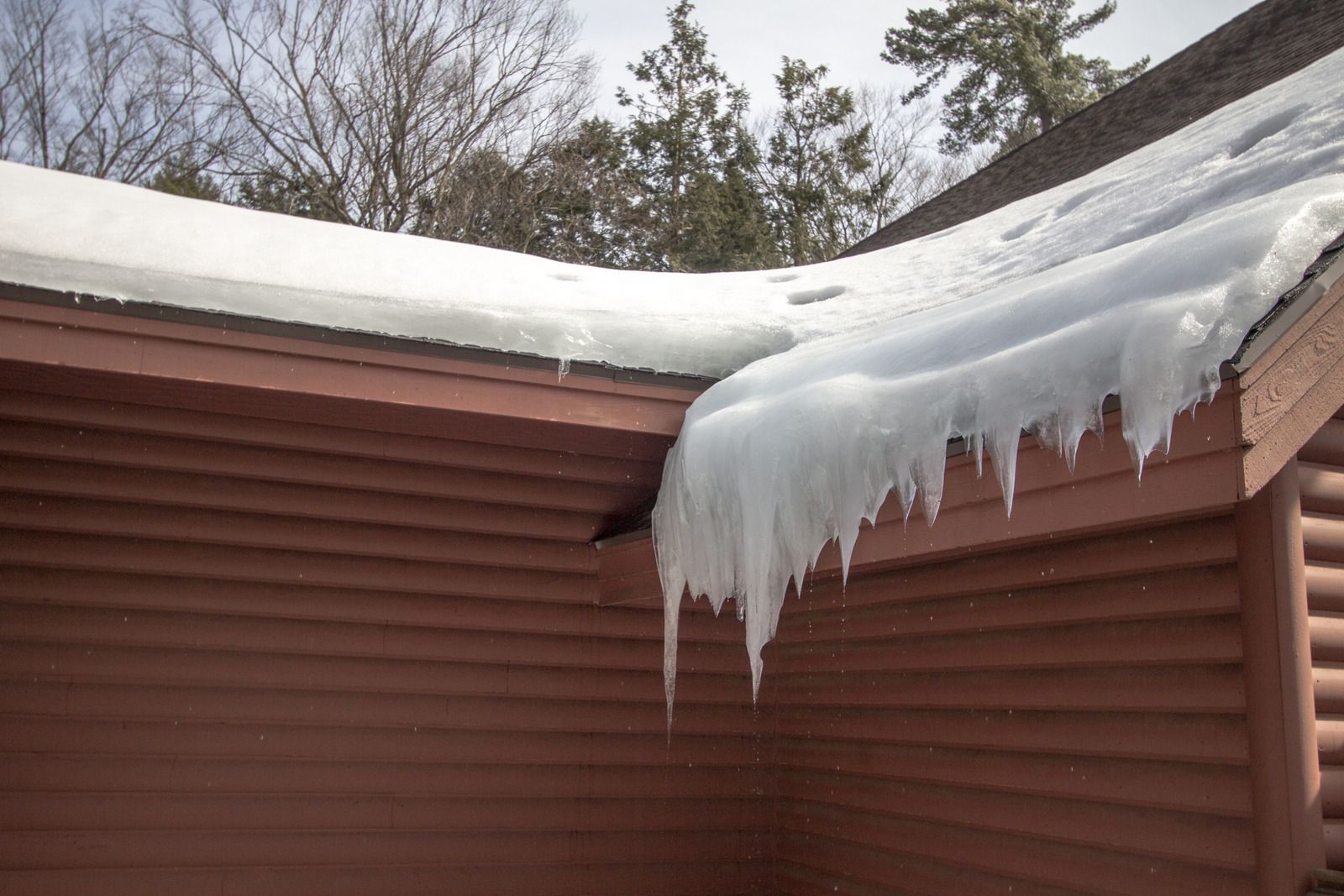
Regional conditions make all of this worse. Homes near the bay collect heavy oak and maple debris every fall, and that mat of leaves blocks outlets right before winter. Snow then melts by day, refreezes at the cold roof edge overnight, and builds an ice dam that backs water under the shingles. A gutter already sagging or clogged becomes the anchor for that ice. Older homes also carry fascia softened by years of overflow, so new gutters hung on it loosen within a season.
How we diagnose the real problem
We start where the water ends up, not where it spills. On service calls we frequently find the visible overflow is three or four feet from the actual fault, because water travels along the run before it escapes. So we walk the full perimeter during rain, checking pitch, hanger spacing, and seams, then probe the fascia and roof edge. Soft, spongy wood behind the gutter means the system has been leaking behind itself, which no cleaning will fix. We also confirm each downspout carries water away from the foundation and look up for the staining and shingle lift of repeated ice damming.
Repair or replace
Sometimes a repair holds for years. Sometimes it masks a bigger failure. If the gutters are sound and the trouble is a clogged outlet, a sagging section, or a downspout draining too close to the house, targeted repairs make sense and last. Rehanging a run at the correct pitch and extending the discharge away from the foundation often solves the whole problem.
Replacement is the honest answer when the fascia behind the gutters has rotted, when seams leak in several places, or when the system is simply too small for the roof and the weather it handles. A continuous gutter sized for your roof and fastened into solid wood with closely spaced hangers outlasts a patched system that fails at a new spot every season.
Keeping your gutters working
Clean the gutters at least twice a year, and time the second cleaning for late fall after the last leaves drop but before the first hard freeze. That timing alone prevents most of the ice dam trouble we see through winter here. In spring, clear the grit and granules that settle at outlets and slow drainage. A few times a year, watch it during rain to confirm water reaches the downspouts cleanly, and push gently on the gutters to check that hangers are tight and the fascia firm. None of this needs special tools, and it is the difference between a system that lasts and one that rots the wood behind it.
Common mistakes homeowners make
The most common mistake is treating overflow as a cleaning problem when it is a pitch problem. Clearing leaves helps for a while, but if the run was hung level the water returns over the edge after the next storm. The fix is rehanging, not raking.
Another is letting downspouts empty right at the foundation. A short extension feels minor, so people skip it, but that water saturates and cracks the foundation wall. The third is hanging new gutters on soft fascia without replacing the wood first. They look fine on day one, then loosen within a season because there was never solid wood to hold them.
Frequently Asked Questions
How do I know if my gutters are pitched correctly?
Pour water in at the far end from the downspout. If it runs cleanly to the outlet, your pitch is fine. If it pools partway along the run, the gutter is too flat and needs rehanging, not just cleaning.
How often should gutters be cleaned in New England?
At least twice a year. Time the second cleaning for late fall, after the oak and maple leaves finish dropping but before the first hard freeze, so outlets stay clear heading into ice dam season.
Can poor gutters really crack my foundation?
Yes. Downspouts that release water against the house saturate the soil, and when that soil freezes and expands it presses on the foundation wall. Over several winters that repeated pressure turns hairline cracks into real ones.
Are ice dams caused by my gutters?
Not directly, but clogged or sagging gutters make them worse. Trapped debris and standing water at the roof edge give melting snow a place to refreeze, and that ice backs water under your shingles during our coldest stretches.
Should I repair or replace my gutters?
If the gutters are sound and the fascia behind them is solid, targeted repairs to pitch, hangers, and downspouts will hold. If the fascia has rotted or seams leak in several places, replacement is the more reliable choice.
Dedicated Professionals Safeguarding Homes From Water Damage
Your gutters are only doing their job when every gallon leaving the roof ends up several feet from the foundation, and the surest way to know is to watch them during a real rain. That matters more here than most places, because our heavy falls, fast winter melts, and refreezing roof edges punish any system hung even slightly wrong. If your gutters are overflowing, sagging, or draining against the house, we can walk the perimeter, find the fault, and install a system built for this climate. TKO Builders, LLC
has done exactly this for homeowners across Warwick, Rhode Island for more than 20
years. Reach out to us for an honest assessment before the next storm finds the weak spot for you.