Why Professional Roof Installation Matters: Avoid DIY Mistakes
Roof installation is one of the most critical aspects of any building structure, directly influencing safety, durability, and long-term property value. A properly installed roof protects against weather extremes, prevents structural damage, and enhances energy efficiency. Despite its importance, many property owners consider DIY roofing as a cost-saving option, often underestimating the technical precision and safety requirements involved in the process. Roofing is not just about placing materials on top of a structure; it involves engineering accuracy, material compatibility, and strict adherence to building codes.
The rising popularity of online tutorials and home improvement content has encouraged more individuals to attempt roofing projects without professional guidance. However, even minor installation errors can lead to significant long-term consequences such as leaks, mold growth, insulation failure, and structural weakening. These issues often result in higher repair costs than hiring professionals from the beginning. Understanding the value of professional roof installation is essential for making informed decisions that protect both property and investment. This blog explores why professional expertise matters, the risks of DIY roofing mistakes, and how expert installation ensures lasting performance, safety, and peace of mind for property owners seeking reliable roofing solutions.
Structural Integrity and Engineering Precision
Importance of Load Distribution Accuracy
A professionally installed roof ensures proper load distribution across the entire structure. Roofing systems are engineered to balance weight and withstand environmental pressure such as wind, rain, and snow. Incorrect installation disrupts this balance, increasing stress on certain areas and leading to premature structural failure over time in many buildings today commonly.
Adherence to Building Codes and Standards
Professional roof installation follows strict building regulations and local codes governing safety and construction quality. These codes ensure every component from trusses to shingles meets required performance standards. DIY installation often ignores these requirements, resulting in non-compliant structures that may face legal issues, safety risks, and costly corrections later in practice scenarios.
Engineering-Based Material Alignment
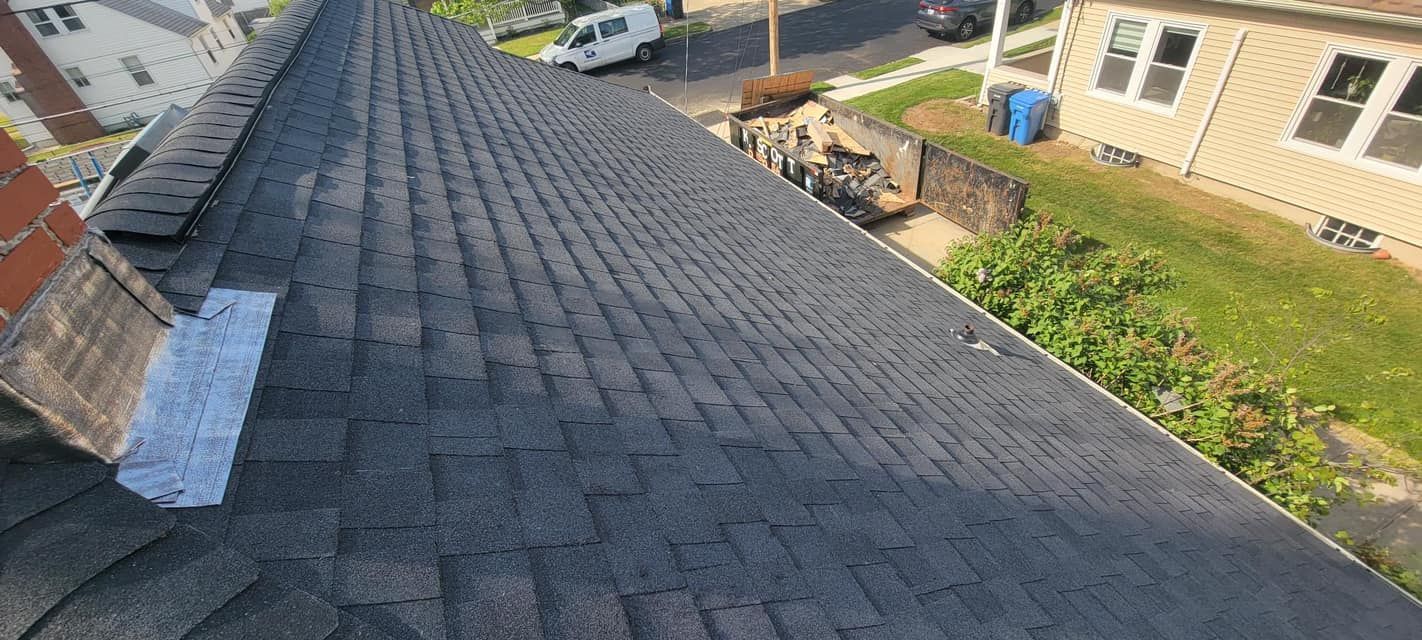
Roofing materials must be installed with precise alignment to function effectively. Even slight misplacement of shingles or panels allows water infiltration, reduces wind resistance, and compromises insulation performance. Professionals use advanced measuring tools and proven techniques to ensure accuracy at every stage, preventing long-term damage and maintaining structural efficiency consistently over time.
Long-Term Structural Stability
A roof represents a long-term investment, and its structural integrity determines overall building lifespan. Professional installation minimizes risks of sagging, cracking, and early deterioration. Proper sealing, layering, and reinforcement techniques ensure consistent performance under varying conditions, allowing roofs to remain durable, stable, and reliable without frequent repairs or premature replacement requirements.
Common DIY Roofing Mistakes and Risks
Improper Installation of Underlayment
One common DIY mistake involves incorrect placement of roofing underlayment. This protective layer acts as a moisture barrier, and improper installation leads to seepage, mold growth, and insulation damage. Professionals ensure correct overlap, sealing, and positioning techniques, preventing hidden structural issues and maintaining long-term protection against water infiltration effectively throughout buildings.
Faulty Flashing Installation
Flashing prevents leaks around joints, chimneys, and vents, yet DIY installation often results in poor fitting or weak sealing. This creates entry points for water, leading to hidden structural damage over time. Professionals apply precise techniques and materials, ensuring secure sealing that protects vulnerable roof areas from moisture intrusion effectively always.
Inadequate Ventilation Planning
Roof ventilation regulates heat and moisture within attic spaces. Poor DIY planning traps humidity and heat, weakening structural components and increasing energy costs. Professionals calculate airflow requirements accurately, ensuring balanced ventilation systems. This prevents moisture buildup, enhances roof durability, and maintains comfortable indoor conditions throughout seasonal temperature variations consistently over time.
Safety Hazards and Physical Risks
Roofing involves significant safety risks, including falls, tool injuries, and unstable working conditions. DIY attempts without proper equipment increase accident probability considerably. Professionals follow strict safety protocols, use protective gear, and apply controlled methods, reducing hazards and ensuring safer working environments while maintaining efficiency during complex roofing installation processes overall.
Hidden Cost Escalation
DIY roofing may appear cost-effective initially, but mistakes often lead to repeated repairs and material replacements. These hidden costs accumulate quickly, exceeding professional installation expenses. Poor execution results in structural damage and inefficiency, making DIY roofing financially risky compared to professionally managed projects that ensure accuracy, durability, and long-term savings.
Safety Standards and Risk Management
Professional Safety Equipment Usage
Roof installation requires specialized safety equipment such as harnesses, scaffolding, and protective footwear. Professionals are trained to operate safely at heights while minimizing risks. This structured safety approach significantly reduces workplace accidents compared to DIY efforts, ensuring controlled movement, stability, and secure handling of materials during installation processes consistently always.
Risk Assessment Before Installation
Before starting roofing work, professionals conduct detailed site evaluations to identify hazards such as weak structures, weather conditions, and material limitations. This proactive assessment helps prevent accidents and ensures smooth workflow. Proper planning reduces uncertainty, improves efficiency, and guarantees safer execution of roofing projects under varying environmental conditions effectively always.
Insurance Coverage and Liability Protection
Professional roofing services include insurance coverage that protects property owners from financial responsibility in case of accidents or damages. DIY projects lack such protection, leaving full liability on owners. This coverage ensures financial security, minimizes risk exposure, and provides peace of mind during complex roofing installation and repair operations overall.
Controlled Installation Environment
Professional roofing requires organized environments where tools, materials, and procedures are carefully managed. This reduces unpredictability and ensures consistent results. DIY setups often lack structure, increasing errors and inefficiencies. Controlled workflows improve accuracy, enhance productivity, and ensure that installation processes remain stable, efficient, and reliable throughout project completion stages consistently.
Cost Efficiency and Long-Term Value
Reduced Maintenance Expenses
Professionally installed roofs require less maintenance due to precise sealing, alignment, and material application. This reduces recurring issues such as leaks or cracks. Proper installation minimizes repair frequency, saving long-term costs and ensuring consistent roof performance without frequent interventions or unexpected maintenance expenses throughout the structure’s operational lifespan effectively always.
Extended Roof Lifespan
Correct installation techniques significantly extend roof lifespan by ensuring materials function at optimal capacity. Professional workmanship prevents premature deterioration and structural weakening. This allows roofs to remain durable for decades, reducing replacement needs and ensuring long-term value for property owners through consistent performance under varying environmental conditions and seasonal changes.
Energy Efficiency Benefits
A properly installed roof improves insulation and ventilation, reducing energy consumption for heating and cooling. Professionals ensure correct material placement and sealing techniques that enhance thermal regulation. This leads to lower utility bills, improved indoor comfort, and increased energy efficiency, making professionally installed roofs more sustainable and cost-effective long term.
Warranty Protection Advantages
Most roofing materials include manufacturer warranties requiring professional installation for validity. DIY work often voids these warranties, leaving owners unprotected against defects. Professional installation ensures warranty compliance, providing financial protection and repair coverage, which safeguards investment value and ensures reliable performance of roofing materials under standard usage conditions consistently.
Material Selection and Installation Expertise
Choosing Right Materials
Different buildings require specific roofing materials based on climate, structure, and usage needs. Professionals assess these factors carefully before selection. Proper material choice ensures durability, performance, and efficiency, reducing long-term issues while optimizing roof functionality and ensuring compatibility with environmental conditions and architectural requirements for maximum structural reliability overall.
Climate-Specific Installation Techniques
Weather conditions greatly impact roof performance. Professionals adjust installation methods based on local climate factors such as heat, rain, or wind. This ensures materials withstand environmental stress effectively. Climate-specific techniques enhance durability, prevent early deterioration, and maintain structural strength under challenging weather conditions throughout the roof’s entire operational lifespan consistently.
Precision in Layering and Sealing
Roofing systems rely on multiple layers working together for protection. Accurate layering and sealing prevent water infiltration and improve insulation. Professionals ensure each layer is correctly positioned, maintaining structural integrity and enhancing durability. This precision guarantees long-term protection and consistent performance across all roofing components under various environmental conditions effectively.
Ventilation and Drainage Optimization
Proper airflow and drainage systems are essential for roof longevity. Professionals design structures that prevent water pooling and heat buildup. This improves indoor comfort, reduces moisture damage, and enhances structural performance. Optimized ventilation and drainage systems ensure long-term stability and efficiency under continuous environmental exposure and seasonal weather variations effectively always.
Experienced Specialists Delivering Safe Efficient Roofing Results
Professional roof installation plays a vital role in ensuring structural safety, long-term durability, and cost efficiency. Unlike DIY approaches, expert installation eliminates risks related to improper alignment, poor material handling, and safety hazards. A well-installed roof not only enhances property value but also reduces maintenance needs and improves energy efficiency. Investing in professional expertise ensures compliance with building standards and provides long-term peace of mind.
Proper roofing is a combination of precision, experience, and technical understanding that cannot be replaced by informal methods. Choosing professional services protects both financial investment and structural integrity, making it a crucial decision for any property owner.
TKO Builders, LLC, based in Warwick, Rhode Island, with 20
years of experience, brings extensive expertise in delivering high-quality roofing solutions built on trust and craftsmanship. Every project is approached with a commitment to precision, durability, and safety, ensuring reliable results that stand the test of time. Through consistent workmanship and industry knowledge, we focus on creating roofing systems that enhance property strength and long-term performance while maintaining the highest professional standards in every installation.