Shingles Curling, Cupping, or Losing Granules? What the Roof Is Telling You
Quick Answer: Curling, cupping, and granule loss are three separate warning signs, not interchangeable words for "old roof." Cupping (edges turning up) usually points to trapped moisture or attic heat baking the shingle from underneath. Clawing, where the center bulges while the edges stay flat, points to brittle, aging asphalt losing its grip on the mat beneath it. Heavy granule loss beyond what collects in new gutters after installation strips away the shingle's UV shield and speeds up all of the above. On a roof under 12 years old, any of these three signs usually means a ventilation or installation problem, not simple aging, and is worth a professional look before it spreads.
Understanding Curling, Cupping, and Clawing Shingles
You notice it from the driveway before you ever climb a ladder: a patch of shingles near the ridge that looks slightly wavy, catching the afternoon light differently than the rest of the roof. Or maybe it's the gutters, run dull and gray with what looks like coarse sand every time you clean them out in the fall. Neither one feels like an emergency. Neither one is dripping onto your kitchen table. But both are the roof talking, and it pays to know what it's saying before the conversation turns into a leak.
Asphalt shingles fail in patterns, and those patterns tell you something specific about what's happening underneath the surface. A roof that's cupping is telling a different story than one that's clawing, and a roof shedding granules by the handful is on a different timeline than one losing them slowly and evenly. Here's how to read each sign and decide what it means for your house.
Curling Comes in Two Forms, and They Point to Different Problems
Homeowners tend to lump every distorted shingle into one bucket: "curling." In practice, there are two distinct shapes, and each one has its own root cause.
Cupping
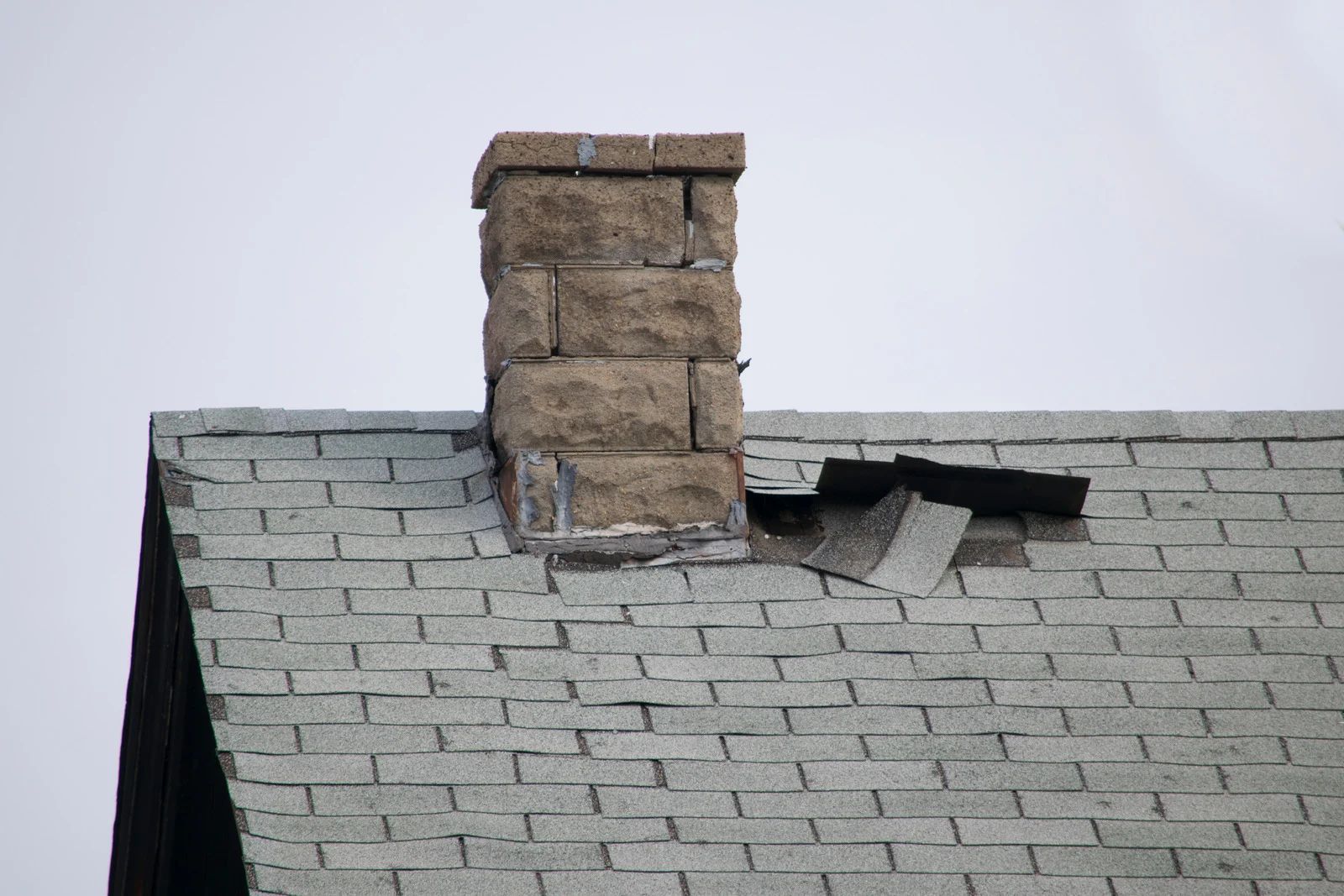
This is when the edges of an individual shingle turn upward while the center stays relatively flat, leaving a shallow bowl shape. Cupping is most often caused by moisture trapped underneath the shingle or by excessive heat building up in the attic and cooking the shingle from below. If you see cupping concentrated over one section of roof, especially above a bathroom, kitchen, or laundry area, that's often a clue that warm, humid indoor air is finding its way into the attic and condensing against the underside of the roof deck.
Clawing
Here the edges stay flat but the center of the shingle bulges upward, or the tabs curl downward at the corners. Clawing is more strongly associated with age. As asphalt shingles weather, the asphalt coating contracts and the mat beneath it doesn't shrink at the same rate, so the shingle loses its grip and pulls at the corners.
Why The Distinction Matters
A roof under about 12 years old showing curling of either type is not just "getting old." At that age, curling almost always traces back to inadequate attic ventilation, a manufacturing issue, poor installation, or moisture intrusion from inside the house rather than simple wear. A roof past the 12-year mark showing clawing is more likely in the normal second half of its service life, though the rate at which shingles deteriorate accelerates once curling starts, so it's still worth a closer look rather than a wait-and-see approach.
Either way, curled shingles are more than a cosmetic issue. A shingle that's no longer lying flat is far more vulnerable to wind uplift, since wind can catch the raised edge and peel the tab away entirely. Curling also opens small gaps that let wind-driven rain get up underneath the shingle course, where it relies entirely on the underlayment to keep the deck dry. On an older roof, that underlayment is usually just as brittle as the shingles above it.
Granule Loss: How Much Is Normal, and How Much Isn't
Every asphalt shingle sheds some granules, especially in the first year or two after installation as loose granules from manufacturing and shipping work their way off. That's expected and not a red flag by itself.
What Normal Wear Looks Like
Uniform granule loss across the whole roof, happening gradually over many years, is considered part of ordinary weathering rather than a defect. The asphalt-to-granule bond weakens with age and sun exposure, and runoff carries loose granules toward the gutters. A steady trickle of granules in the gutter water on a roof that's 15 or more years old fits this pattern.
What Isn't Normal
Granule loss becomes a concern when it's concentrated in specific spots rather than spread evenly, when it happens on a roof under 10 years old, or when you can see bare, shiny asphalt showing through in patches. That exposed asphalt has lost its UV shield, which means the sun degrades it faster, which in turn speeds up curling and cracking in that exact spot. Hail impact, foot traffic from prior work on the roof, and manufacturing defects can all cause this kind of localized, premature granule loss.
Where To Check
Downspouts and the base of gutters are the easiest place to spot a trend without climbing anything. If you're seeing coarse, sand-like buildup every time you clean gutters, especially years after the roof was new, that's worth tracking against the age of the roof and where on the slope it seems to be coming from.
TIP: Take a photo of your gutter debris and roof surface once a year, ideally after fall cleanup. A side-by-side comparison over two or three years makes it obvious whether granule loss is holding steady, which is normal aging, or accelerating, which usually means something changed.
Attic Ventilation Is Behind More of This Than Homeowners Expect
If there's one thread connecting premature curling, uneven granule loss, and shortened shingle life, it's how well the attic underneath the roof is breathing. Shingle manufacturers build their ventilation requirements into their warranty terms for a reason: without balanced intake and exhaust airflow, heat and moisture build up under the roof deck and effectively cook the shingles from beneath, on top of whatever the sun is doing from above.
Signs Of A Ventilation Problem
Curling that's worse near the ridge than the eaves, granule loss concentrated on south- or west-facing slopes beyond what sun exposure alone would explain, or curling showing up well before the shingle's rated lifespan are all patterns consistent with an attic that isn't venting properly. Frost or condensation on the underside of the roof deck in winter, visible from inside the attic, is another sign pointing the same direction.
Why It Compounds
A shingle roof installed with a mismatch between intake vents (typically at the soffits) and exhaust vents (typically at or near the ridge) traps warm, moist air against the deck. That trapped air accelerates the asphalt contraction that causes curling and softens the granule bond faster than normal weathering would.
WARNING: If a shingle roof under 10 years old is curling or shedding granules in a concentrated area, don't assume it's a bad batch of shingles and wait it out. That pattern is frequently tied to a ventilation or installation issue that will keep damaging new shingles too, even after a repair, until the underlying airflow problem is corrected.
What to Do With What You're Seeing
If It's Scattered, Gradual, And The Roof Is Older
Uniform granule loss and mild clawing on a roof past the middle of its expected service life is a normal part of aging. Keep an eye on it, keep gutters clear so water sheds properly, and plan for the roof's eventual replacement rather than treating every granule as an emergency.
If It's Concentrated, Sudden, Or The Roof Is Young
Cupping localized to one area, bare patches of exposed asphalt, or curling on a roof under 10-12 years old are worth a hands-on inspection. A close look at the affected shingles, the attic ventilation setup, and the flashing in that area usually identifies whether this is a spot repair, a ventilation fix, or an early sign the whole roof needs attention sooner than its age would suggest.
If You're Not Sure Which Category You're In
That's the most common situation, and it's a reasonable one to bring to a roofer rather than diagnose alone from the ground. A trained eye can tell cupping from clawing, spot the difference between wind damage and heat damage, and check attic ventilation in the same visit.
Frequently Asked Questions
Is it normal for a new roof to lose granules right after installation?
Yes. New shingles commonly shed loose granules during manufacturing, handling, and early rainstorms. This should decrease within the first year. Continued heavy loss deserves inspection.
Can curled shingles be repaired individually, or does the whole roof need replacement?
Individual curled shingles can sometimes be repaired when damage is limited. Widespread curling, especially from ventilation or moisture problems, may require broader repairs or roof replacement.
Does cupping always mean there’s a leak?
No. Cupping can result from trapped moisture, excessive attic heat, or ventilation problems without an active leak. However, damaged shingles can eventually allow water intrusion.
How can I tell if granule loss is from hail versus normal aging?
Hail damage usually creates sudden, scattered bald spots or dark impact marks. Normal aging causes gradual, relatively even granule loss across the roof over time.
Why would only one side of my roof curl or lose granules faster?
One roof slope may receive more sunlight and heat, accelerating deterioration. Uneven ventilation, localized moisture, different shingles, or previous repairs can also create concentrated damage.
Do darker shingle colors curl or lose granules faster than lighter ones?
Darker shingles absorb more solar heat, which may accelerate aging slightly. However, ventilation, moisture, installation quality, and overall weather exposure generally have a greater effect.
Reading Your Roof’s Warning Signs Before They Spread
Curling, cupping, and granule loss may look like minor surface changes, but each can reveal a different stage of roof deterioration. Knowing the difference helps you understand whether your roof is experiencing normal aging or whether moisture, heat, ventilation, or installation issues are accelerating the damage. Paying attention to these patterns early can also make it easier to address isolated problems before they affect larger sections of the roofing system.
For homeowners in Warwick, Rhode Island, TKO Builders, LLC
brings 20
years of experience serving the area and understands how coastal weather, seasonal temperature changes, and moisture can influence
asphalt shingle performance. A careful evaluation of the shingles, attic conditions, and surrounding roof components can provide a clearer picture of what is happening and how much remaining service life the roof may realistically have.