Choosing the Right Roof Replacement for Your Home and Budget
Your roof is more than just a protective layer over your home; it is a critical investment that ensures the safety, comfort, and long-term value of your property. Choosing the right roof replacement is a decision that homeowners cannot afford to make lightly. With a variety of materials, installation methods, and costs to consider, understanding your options is key to balancing durability, aesthetics, and budget. A poorly chosen roof can lead to recurring maintenance issues, increased energy bills, and decreased property value, while a well-planned replacement enhances both function and curb appeal.
In today’s dynamic housing market, homeowners face an array of roofing solutions, from traditional asphalt shingles to high-end metal or composite options. Each comes with unique advantages, limitations, and cost considerations. This makes the roof replacement process a strategic decision rather than a simple upgrade. This blog provides a comprehensive guide to selecting the ideal roof for your home, emphasizing practical insights, cost-effectiveness, and long-term benefits. By exploring material types, lifespan expectations, installation practices, and budgeting strategies, homeowners can make informed decisions that protect their property and investment for decades to come.
Understanding Your Roofing Needs
Assessing Your Home’s Current Roof Condition
Before considering a roof replacement, it is essential to evaluate your current roof’s condition. Look for signs of wear and damage such as missing shingles, leaks, sagging areas, or water stains on ceilings and walls. Older roofs, especially those nearing or exceeding their expected lifespan, often require replacement rather than repair. Evaluating structural integrity, ventilation, and insulation can also help determine whether additional repairs or reinforcements are necessary before installing a new roof.
For example, a roof with minor leaks but structurally sound decking may be eligible for selective shingle replacement. Conversely, significant water damage or rot may demand a complete replacement. Engaging a professional roofing contractor for a thorough inspection ensures that no underlying issues are overlooked. Early assessment saves money in the long run and prevents costly damage caused by delayed intervention.
Determining Your Home’s Architectural Style
Your home’s architectural style plays a vital role in selecting the most suitable roofing material. A modern contemporary home may complement metal roofing, while a traditional colonial-style house might benefit from asphalt shingles or slate. Matching the roof to your home’s aesthetic ensures visual harmony and enhances overall property value. Additionally, local climate, neighborhood norms, and homeowner association guidelines can influence material selection.
Understanding these factors helps homeowners make a roof choice that balances style, durability, and functionality, creating a cohesive and attractive exterior.
Exploring Roofing Material Options Asphalt Shingles
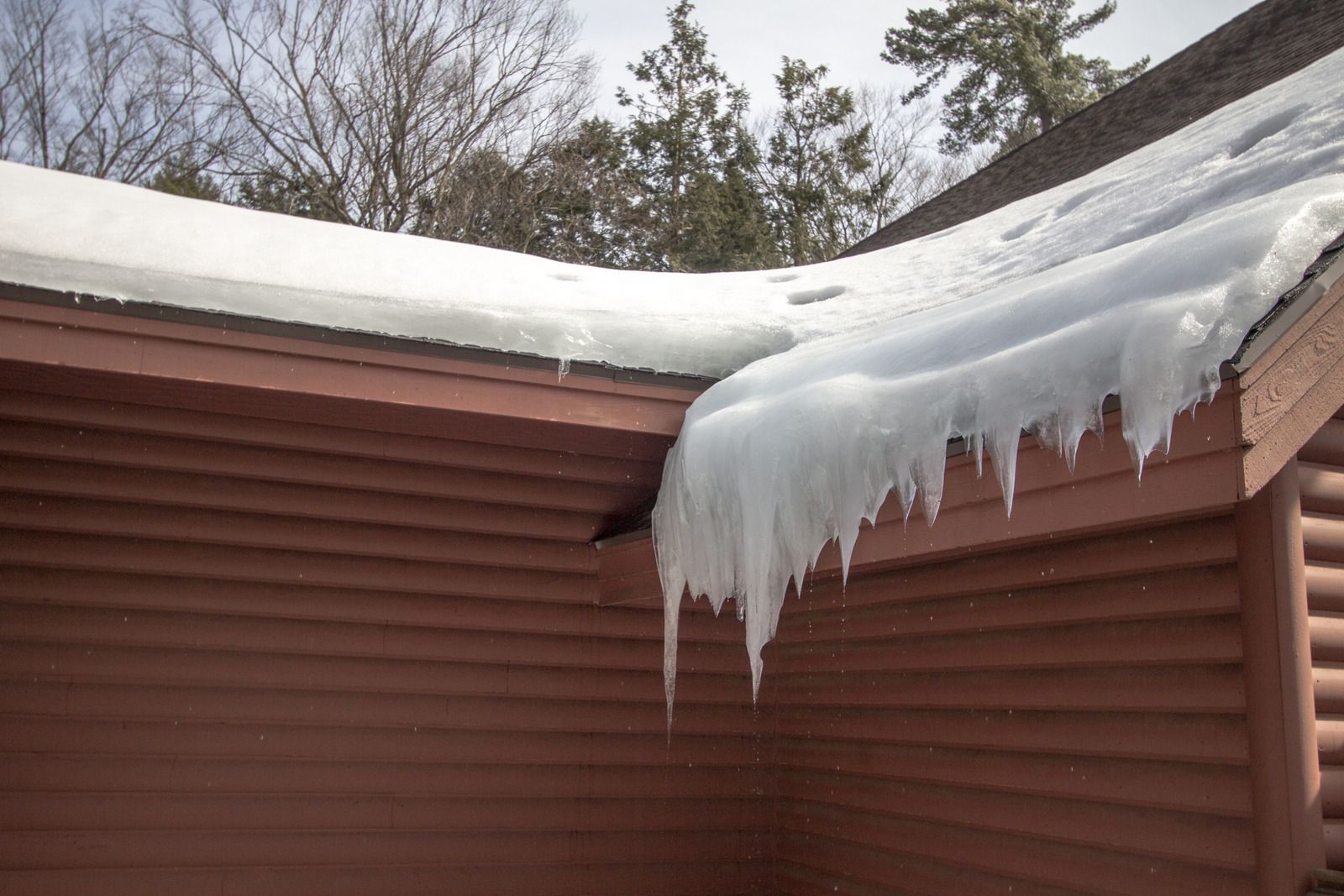
Asphalt shingles are the most common roofing material due to their affordability, ease of installation, and variety of styles. They typically last 20–30 years and perform well in diverse climates. Asphalt shingles provide reliable protection against wind, rain, and moderate hail. However, they may not be ideal in areas prone to extreme heat or ice damming, which can shorten their lifespan.
Benefits: Cost-effective, widely available, variety of colors and textures
Challenges: Moderate lifespan, susceptible to wind damage
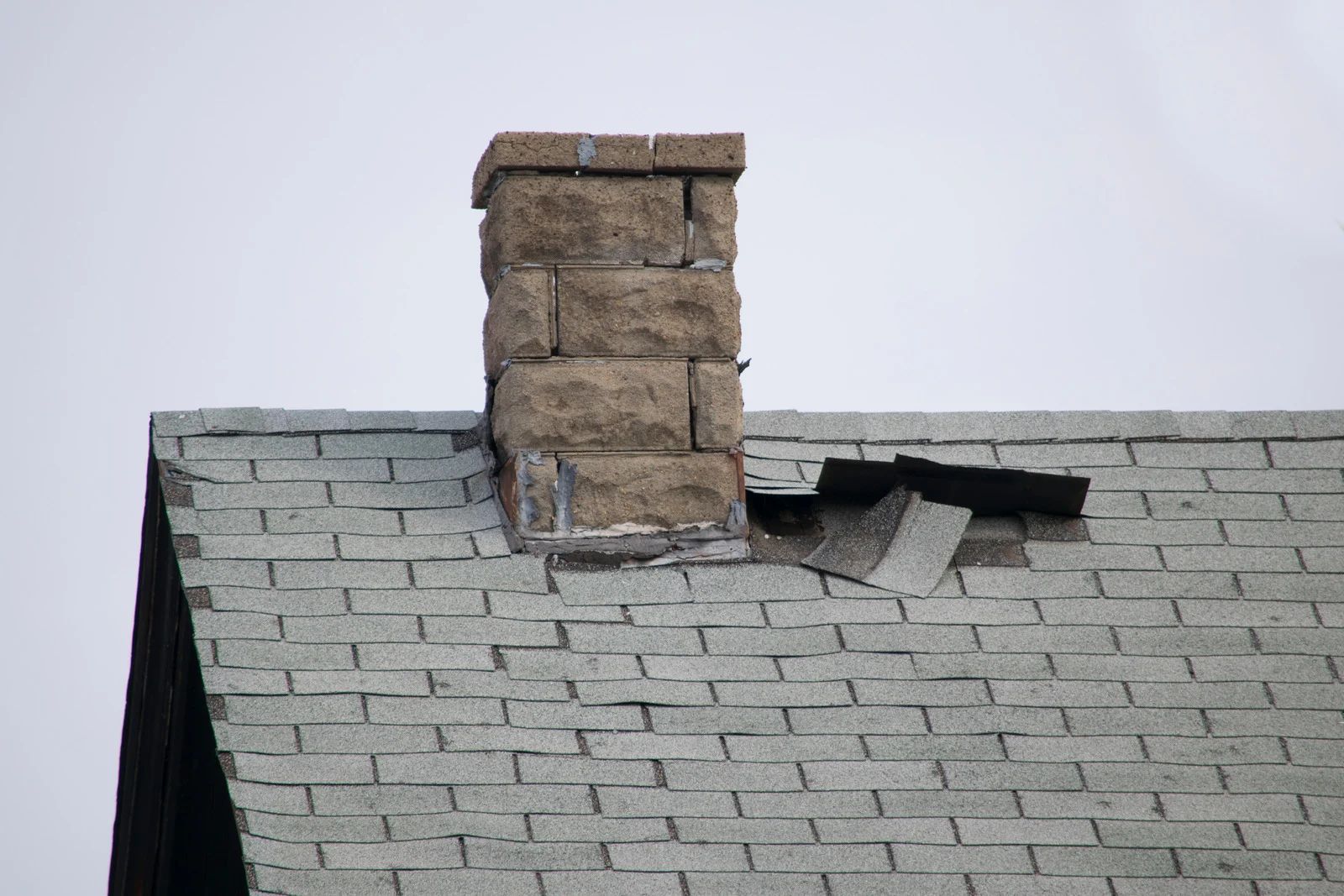
Curling, Buckling, and Missing Shingles
Metal roofs, including steel, aluminum, and copper, are known for their durability, energy efficiency, and low maintenance. They can last 40–70 years and are resistant to fire, rot, and insect damage. Metal roofing reflects solar heat, reducing cooling costs during summer months.
Benefits: Long-lasting, energy-efficient, low maintenance
Challenges: Higher upfront cost, potential noise during rain or hailstorms
Slate and Tile Roofing
Slate and clay tiles offer a premium aesthetic and exceptional longevity, often exceeding 50 years. They are highly resistant to fire and environmental wear. Slate provides a natural, classic look, while clay tiles are ideal for Mediterranean or Spanish-style homes.
Benefits: Durable, visually appealing, low maintenance
Challenges: Expensive, heavy (may require roof reinforcement), complex installation
Composite and Synthetic Roofing
Composite materials, including synthetic slate and rubberized shingles, mimic traditional roofing aesthetics while offering improved flexibility, lighter weight, and often lower costs. These materials are engineered to resist cracking, fading, and moisture penetration.
Benefits: Versatile, cost-effective, lighter than natural materials
Challenges: Variable quality across brands, shorter lifespan than natural slate
Real-World Example
Consider a homeowner in a coastal region. Asphalt shingles may require replacement sooner due to strong winds and salt exposure, while metal or composite roofing may offer longer-term durability with lower maintenance. Evaluating the specific climate and material performance ensures that your choice is practical and financially sound.
Budgeting and Cost Considerations
Understanding Total Roof Replacement Costs
Roof replacement costs include not only the material price but also labor, removal of the old roof, disposal, permits, and potential repairs to underlying structures. On average, asphalt shingle roofs cost $5,000–$10,000 for a standard home, while metal or slate options can exceed $20,000. Factoring in these elements prevents budget overruns and ensures realistic planning.
Balancing Quality and Affordability
While cost is a major factor, prioritizing the cheapest option may result in more frequent repairs and reduced longevity. Consider the return on investment (ROI) of higher-quality materials that last longer and reduce maintenance expenses. For instance, metal roofing may have a higher upfront cost but can save thousands in repairs and energy costs over time.
Financing and Insurance Options
Many homeowners can explore financing solutions or insurance coverage for roof replacements, particularly if the replacement is due to storm damage. Understanding available options helps homeowners plan financially without compromising on material quality or workmanship.
Cost-Saving Tips
- Schedule replacements during off-peak seasons for potential discounts
- Get multiple quotes from reputable contractors
- Investigate local or state rebates for energy-efficient roofing
Budgeting strategically ensures homeowners get a durable, aesthetically pleasing roof without unnecessary financial strain.
Installation Process and Best Practices
Hiring a Professional Contractor
Proper installation is crucial for roof performance and longevity. A licensed, insured, and experienced roofing contractor ensures adherence to building codes, manufacturer specifications, and safety standards. Poor installation can lead to leaks, shortened lifespan, and warranty issues, regardless of the material chosen.
Step-by-Step Installation Process
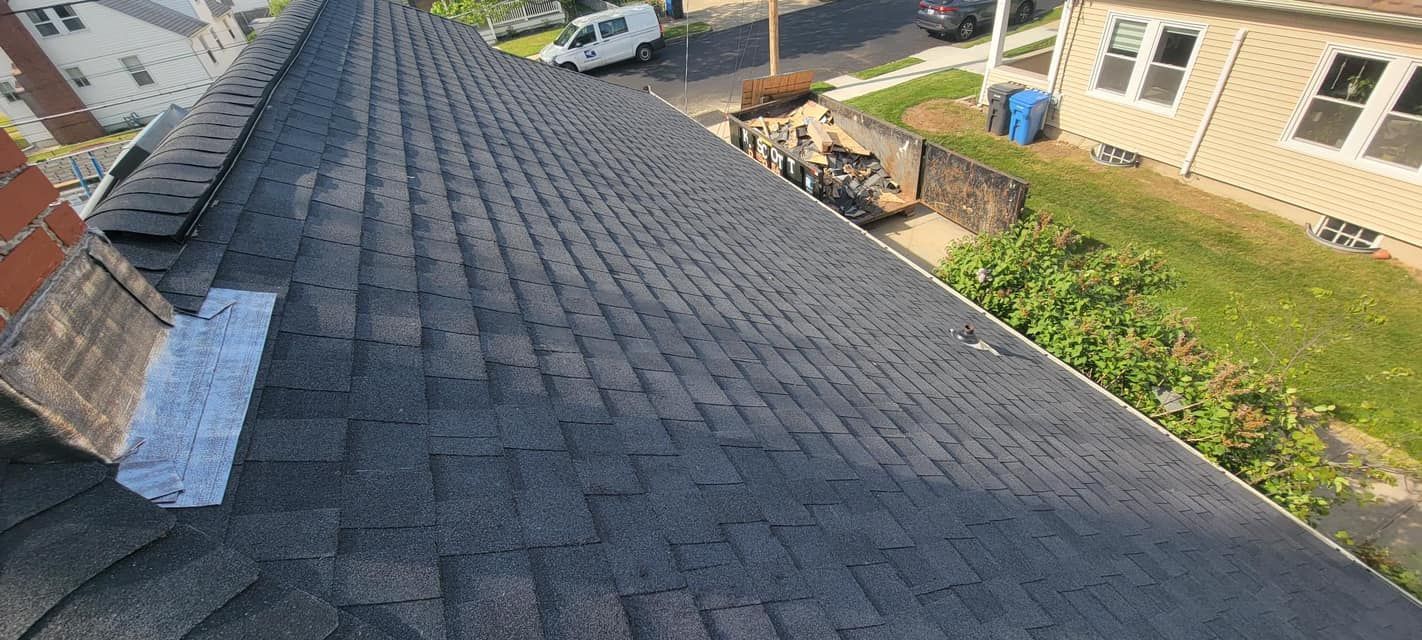
- Inspection and Preparation: Remove the old roof, repair decking, and inspect for hidden damage.
- Underlayment Installation: Apply waterproofing layers to prevent leaks.
- Material Installation: Install shingles, tiles, or metal panels according to manufacturer guidelines.
- Flashing and Ventilation: Ensure proper sealing around chimneys, vents, and roof edges.
- Final Inspection: Verify installation quality and address any issues immediately.
Maintenance Recommendations
Even with proper installation, routine inspections and maintenance extend the roof’s lifespan. Cleaning gutters, removing debris, and checking for damage after storms are recommended best practices for every homeowner.
Making the Right Choice for Your Home and Lifestyle
Evaluating Longevity and Lifestyle Needs
Consider how long you plan to stay in your home and how each roofing material aligns with your lifestyle. If you plan to stay for decades, investing in long-lasting materials such as metal, slate, or tile may be financially wise. For shorter-term residences, asphalt or composite options may provide adequate protection without excessive upfront cost.
Environmental and Energy Considerations
Energy-efficient roofing materials, such as reflective metal or cool asphalt shingles, can reduce heating and cooling costs significantly. Homeowners in regions with extreme temperatures should consider materials that improve insulation and ventilation, providing comfort while lowering energy bills.
Making an Informed Decision
Ultimately, choosing the right roof replacement involves balancing durability, aesthetics, budget, and long-term benefits. Researching material options, assessing your home’s condition, and consulting experienced professionals ensures a choice that enhances both the home’s value and daily living experience.
Prioritizing Safety and Compliance
Roof replacement is a complex and potentially hazardous process. Following safety protocols, including fall protection, scaffolding, and proper disposal of old materials, is essential. Local building codes, permits, and manufacturer guidelines must be strictly adhered to, ensuring legal compliance and warranty protection. Engaging licensed contractors not only guarantees safety but also ensures quality workmanship and peace of mind.
Trusted Roofing Experts for Your Home and Budget
Choosing the right roof replacement is a multifaceted decision that impacts your home’s safety, energy efficiency, and aesthetic appeal. By understanding your current roof condition, exploring material options, budgeting strategically, and prioritizing professional installation, you can make informed choices that meet both your home’s needs and your financial plan. Each roofing material offers unique advantages and limitations, and balancing these factors is key to a successful long-term investment. Additionally, integrating energy efficiency, maintenance practices, and safety considerations ensures that your roof will perform optimally for years to come.
When it comes to professional roof replacement, experience and reliability matter. TKO Builders, LLC based in Warwick, Rhode Island, brings 20 years of expertise in residential roofing solutions. Our team is committed to delivering superior craftsmanship, tailored recommendations, and transparent guidance throughout the entire roof replacement process. We understand that every home and budget is unique, which is why we provide comprehensive consultations to match homeowners with the most suitable materials and designs. From asphalt shingles to premium metal and slate roofing, our professionals ensure precise installation, strict adherence to building codes, and durable results that protect your investment.
Investing in a roof replacement is not just about protection—it’s about long-term peace of mind, enhanced comfort, and increased property value. Partnering with experienced professionals ensures that your decision is sound, your budget is respected, and your home remains safe and beautiful for decades.