When Is It Time to Replace Your Roof? A Homeowner’s Guide
Your roof is more than just a structural component—it is your home’s first line of defense against the elements. Over time, exposure to sunlight, wind, rain, snow, and temperature fluctuations can take a toll on roofing materials, gradually compromising their effectiveness. Many homeowners overlook roof maintenance until visible problems appear, but waiting too long can lead to costly repairs, interior damage, or even structural issues. A compromised roof can also affect energy efficiency, causing higher heating and cooling costs, and may impact the overall curb appeal of your home. Recognizing the signs that indicate it’s time for a replacement can save both money and stress in the long term, ensuring your home remains safe, comfortable, and visually appealing.
Understanding when to replace your roof requires a careful balance between observation, maintenance history, and expert evaluation. While some issues are obvious, like missing shingles or leaks, others may be subtle, such as curling edges or minor granule loss. Regular inspections and preventive maintenance can reveal hidden problems before they escalate, protecting both your investment and your family. This guide aims to provide homeowners with clear, actionable insights into identifying the right time for a roof replacement. By combining practical advice, expert reasoning, and real-world scenarios, you can make informed decisions that protect your home’s safety, value, and longevity, while avoiding unnecessary stress and unexpected repair costs.
Understanding the Lifespan of Your Roof
Typical Roofing Material Lifespans
Different roofing materials have varying expected lifespans, which directly influence when replacement becomes necessary. Asphalt shingles, one of the most common materials in residential construction, typically last 20–25 years. Wood shakes may last 25–30 years with proper maintenance, while metal roofing can exceed 40–50 years depending on the grade. Tile and slate roofs, often seen in high-end or historic homes, can last 50–100 years. Knowing your roof’s material and its typical lifespan provides a baseline for anticipating replacement needs.
Factors That Affect Longevity
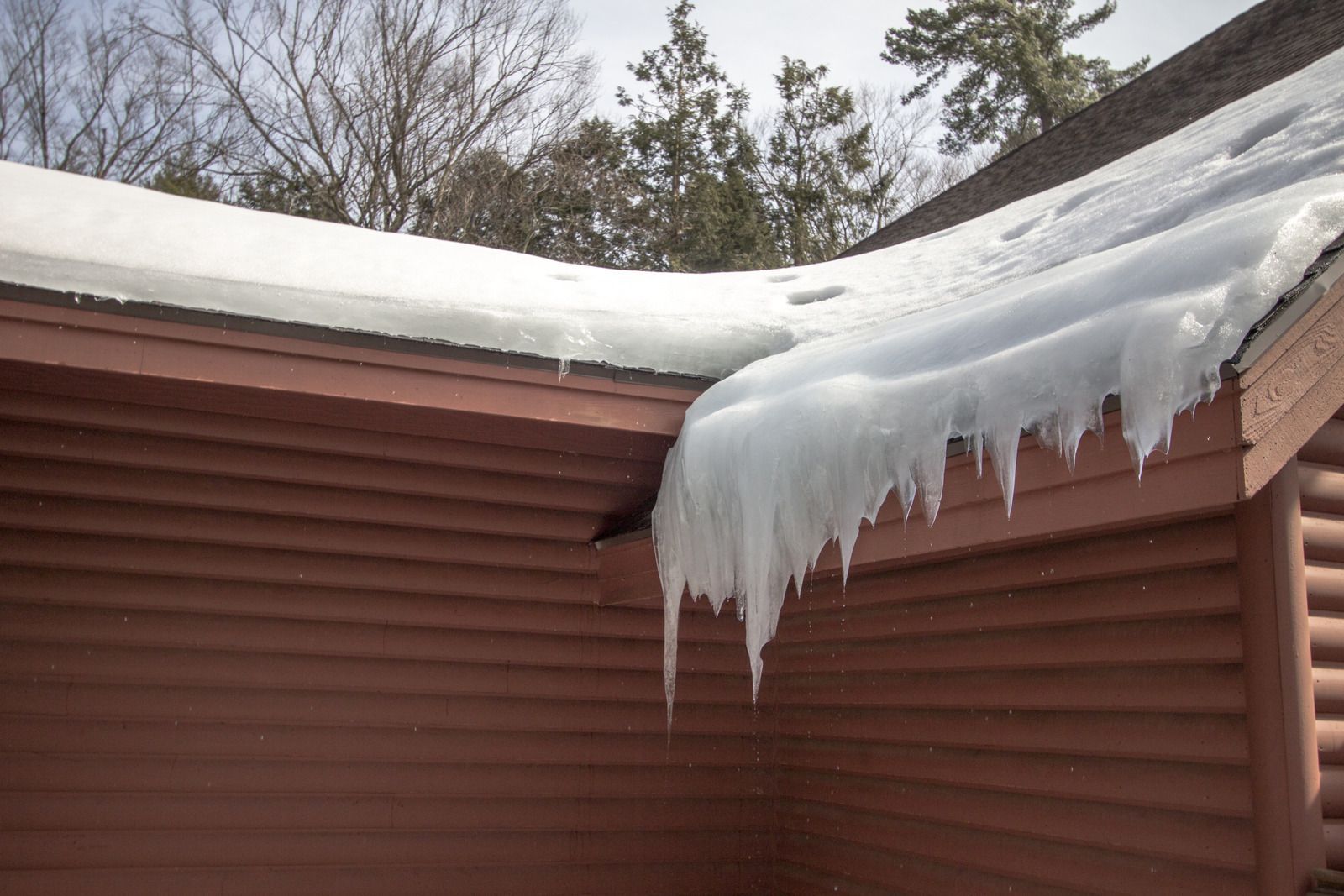
Several factors can shorten or extend the lifespan of a roof. Climate is a primary consideration: extreme heat can dry out asphalt shingles, while heavy snowfall can create ice dams that damage shingles and flashing. Poor ventilation, inadequate installation, and infrequent maintenance can accelerate deterioration. Trees near your roof may drop debris or cause physical damage, while inconsistent inspections may allow minor problems to escalate. Acknowledging these influences helps homeowners understand that lifespan estimates are guidelines rather than guarantees.
Signs of Material Degradation
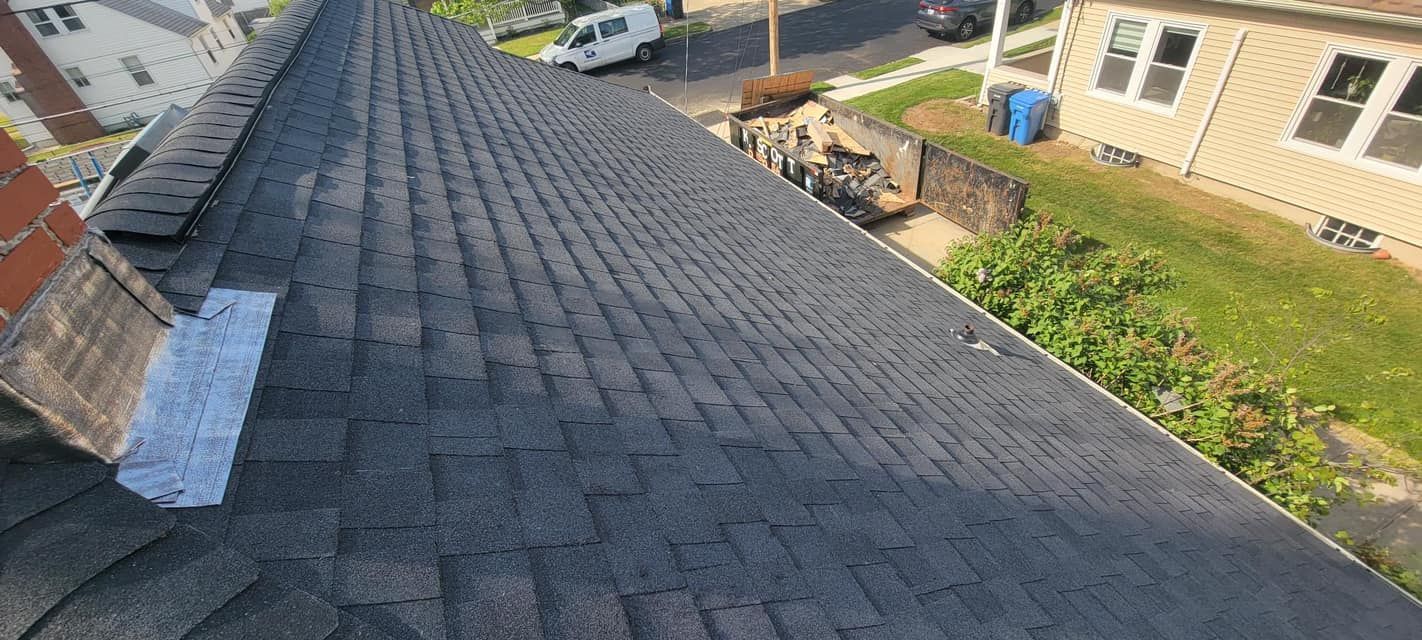
Even within a material’s expected lifespan, wear and tear can occur at varying rates. Look for curling, cracking, or missing shingles, discoloration, and granule loss on asphalt roofs. For metal roofs, watch for rust spots, loose panels, and denting. Tile or slate may develop cracks or begin to shift out of place. Recognizing early signs of material fatigue can prevent small issues from escalating into major damage, allowing for timely intervention.
Common Roof Problems Indicating Replacement
Leaks and Water Damage
Water intrusion is one of the most serious indicators that a roof may need replacement. Leaks can appear as water stains on ceilings, walls, or attic insulation. Even minor leaks can compromise structural integrity over time, leading to rot, mold, and mildew. Persistent leaks, especially in older roofs, often signal that patch repairs are no longer sufficient and a full replacement is necessary.
Curling, Buckling, and Missing Shingles
Shingles that curl at the edges, buckle, or break apart expose underlying roofing layers to the elements. Missing shingles leave gaps that allow rain and wind to penetrate, increasing the risk of interior damage. If these problems are widespread rather than isolated, they often indicate the roof has reached the end of its functional life.
Granule Loss and Discoloration
Asphalt shingles are coated with granules that protect against UV rays and weather damage. When significant granule loss occurs, shingles become brittle and vulnerable. Homeowners may notice excessive granules in gutters or downspouts. Similarly, widespread discoloration can indicate moisture damage, algae growth, or general material aging—another signal that replacement may be required.
Structural Damage
Sagging rooflines, uneven surfaces, or bowed areas suggest that the underlying decking or support structures are compromised. Structural damage is often caused by prolonged exposure to moisture, snow accumulation, or failed repairs. Addressing structural issues promptly is critical for both safety and property value.
Evaluating Your Roof’s Condition
Routine Inspections
Regular roof inspections are essential for identifying potential problems early. Homeowners can conduct basic visual checks from the ground or ladder, looking for missing shingles, damaged flashing, or debris accumulation. Professional inspections, however, provide a thorough assessment of both visible and hidden issues, including underlayment condition, venting efficiency, and structural integrity.
Assessing Past Maintenance
A roof’s maintenance history can reveal its durability and current health. Frequent repairs may indicate an aging roof approaching the end of its service life. Conversely, a roof that has been consistently maintained with proper cleaning, gutter care, and minor repairs may last longer than its standard lifespan. Keeping detailed records helps roofing professionals make accurate replacement recommendations.
Timing and Seasonal Considerations
Seasonal changes can exacerbate roof problems. Winter storms may introduce ice dams or heavy snow loads, while summer heat can cause shingles to warp or crack. Timing replacement strategically—often in spring or early fall—can prevent weather-related delays, reduce costs, and extend the roof’s effective lifespan once installed.
Financial and Insurance Considerations
Cost of Replacement vs. Repair
Homeowners often weigh the cost of repeated repairs against the expense of a full roof replacement. While patching leaks or replacing shingles may seem economical in the short term, cumulative repair costs over time often exceed the investment in a new roof. A roof replacement provides long-term protection, reduces maintenance demands, and can improve energy efficiency.
Insurance Implications
Insurance policies may impact decisions about roof replacement. Older roofs with repeated damage claims may experience higher premiums or coverage limitations. Some insurance providers require documentation of roof condition and maintenance before approving claims. Understanding your policy’s stipulations ensures that replacement is both financially and legally prudent.
Home Value and Resale Considerations
A deteriorating roof can negatively affect property value and complicate resale. Prospective buyers often view a new roof as a major benefit, offering peace of mind and reducing immediate post-purchase expenses. Investing in replacement before selling can yield higher returns and faster transactions.
Best Practices for Roof Replacement
Selecting the Right Contractor
Choosing a reputable roofing contractor is critical for a successful replacement. Homeowners should seek licensed, insured professionals with strong local reputations and positive reviews. Requesting multiple estimates and asking for detailed project timelines ensures transparency and accountability.
Material Selection
The roofing material chosen should balance aesthetics, durability, and cost. Asphalt shingles remain popular due to affordability and versatility, while metal, tile, or slate offer longer lifespans and unique visual appeal. Selecting materials suited to your climate and structural needs maximizes longevity and performance.
Planning for Installation
A well-planned installation minimizes disruption and ensures safety. Homeowners should prepare the property by clearing outdoor areas, protecting landscaping, and planning for noise or debris. Communication with the contractor regarding project timelines, warranty coverage, and cleanup procedures helps streamline the process.
Post-Installation Maintenance
Even a new roof requires periodic care to maximize lifespan. Routine inspections, gutter cleaning, and minor repairs prevent damage from compounding. A maintenance plan tailored to your roof’s material type can extend its life significantly and protect your investment.
Expert Tips and Common Pitfalls to Avoid
Don’t Ignore Early Warning Signs
Homeowners often delay addressing minor issues such as curling shingles or granule loss, assuming they are cosmetic. Ignoring these signs can lead to larger, costlier problems over time. Timely intervention preserves structural integrity and avoids emergency repairs.
Avoid DIY Roof Replacement
While minor repairs can be manageable, full replacements require specialized tools, safety precautions, and technical expertise. Attempting a DIY replacement can be dangerous and may void manufacturer warranties or insurance coverage.
Consider Energy Efficiency Upgrades
When replacing your roof, exploring energy-efficient materials or reflective coatings can reduce cooling costs and improve comfort. Modern roofing options offer improved insulation, ventilation, and environmental benefits, adding long-term value to your home.
Plan for Emergencies
Severe storms or unexpected damage may necessitate temporary solutions before replacement. Having a contractor on standby or understanding temporary protective measures can minimize water intrusion and structural damage.
Trusted Roofing Professionals for Your Home’s Safety
Replacing a roof is a significant investment, but it is essential for maintaining your home’s safety, value, and comfort. Recognizing the signs of aging, understanding material lifespans, and conducting regular inspections are critical steps in making an informed replacement decision. Considering financial, insurance, and long-term maintenance factors ensures that you balance cost-effectiveness with durability, avoiding unnecessary risks or expenses.
At TKO Builders, LLC, located in Warwick, Rhode Island, we bring over 20
years of experience helping homeowners navigate the complexities of roofing replacement. Our team is dedicated to providing reliable, professional guidance, from initial inspection to post-installation care. We focus on quality materials, expert craftsmanship, and transparent communication, ensuring every project meets the highest standards. Trust TKO Builders, LLC
to protect your home with a roof designed for longevity, safety, and peace of mind, backed by decades of proven expertise and community commitment.