Common Roof Problems Every Homeowner Should Know
A well-maintained roof is one of the most crucial components of any home, serving as the first line of defense against the elements. Yet, many homeowners overlook the importance of regular roof inspections and proactive maintenance until a problem becomes urgent. Roof issues can escalate quickly, resulting in costly repairs, water damage, and even structural compromise. Understanding the most common roofing problems and their causes is essential for every homeowner who wants to protect their investment and ensure their home remains safe and comfortable. From leaks and missing shingles to more subtle issues like poor ventilation, roofs face a variety of challenges that require timely attention.
In today’s unpredictable climate, roofs endure harsh weather conditions such as heavy rainfall, snow accumulation, high winds, and intense sun exposure. These factors, combined with aging materials or improper installation, can lead to common problems that compromise a home’s integrity. By familiarizing yourself with these typical roof issues, homeowners can take preventive measures, detect problems early, and make informed decisions about repairs or replacements. This knowledge not only safeguards your property but can also save thousands in unnecessary costs while extending the lifespan of your roof.
1. Leaks and Water Damage
Understanding Roof Leaks
One of the most prevalent roofing issues is water infiltration. Roof leaks often occur when shingles are damaged, flashing is improperly installed, or seals around chimneys and vents fail. Even minor leaks can escalate over time, causing water damage to ceilings, walls, and insulation. Moisture buildup can also create a breeding ground for mold and mildew, which poses health risks to residents and can degrade building materials.
Signs of Water Damage
Homeowners should watch for dark spots or stains on ceilings, peeling paint, water-soaked insulation, and a musty odor in attic spaces. Early detection is crucial; even a small drip during heavy rainfall can indicate a larger structural problem. Prompt roof inspections can identify the source of the leak before it causes significant damage.
Preventive Measures
Regular maintenance, such as cleaning gutters and inspecting flashing and seals, can prevent leaks from developing. Homeowners should schedule professional inspections at least once a year, particularly after severe weather events. Roof coatings and sealants can also extend the roof’s durability and resist water penetration.
2. Shingle Damage
Causes of Shingle Problems
Shingles, whether asphalt, wood, or composite, are subject to wear and tear. High winds, hail, UV rays, and temperature fluctuations can crack, curl, or break shingles. Missing shingles leave the underlayment exposed, increasing the risk of leaks and structural damage. Poor installation or the use of low-quality materials can also contribute to premature shingle deterioration.
Recognizing Shingle Damage
Homeowners can identify problems by observing curled or buckling shingles, granule loss, and visible gaps. Shingles that are worn or missing reduce the roof’s ability to shed water efficiently and protect the home. A timely shingle replacement can prevent further deterioration and expensive repairs.
Repair and Replacement Best Practices
Replacing damaged shingles promptly is vital. For larger areas of damage, complete re-roofing may be necessary. Investing in high-quality shingles and hiring experienced roofing professionals ensures long-term protection and improves the home’s curb appeal.
3. Flashing and Sealant Issues
Importance of Flashing
Flashing is the thin metal material installed around roof penetrations, such as chimneys, skylights, and vents, to prevent water from entering the home. Over time, flashing can corrode, bend, or become loose, creating openings for leaks. Similarly, sealants and caulking degrade under extreme temperatures or UV exposure, reducing their effectiveness.
Common Problems with Flashing
Damaged or improperly installed flashing is a leading cause of water intrusion. Signs include rust stains, gaps, or visible separation around roof joints. Leaks associated with flashing can be deceptive, often appearing far from the actual problem site, which makes professional inspection essential.
Solutions and Maintenance
Regular inspection of flashing and sealants can prevent leaks. Applying high-quality roofing sealants and replacing damaged flashing sections ensures the roof remains watertight. During roof replacement, upgrading flashing materials to more durable options, such as aluminum or stainless steel, can provide long-term protection.
4. Ventilation and Insulation Challenges
Why Proper Ventilation Matters
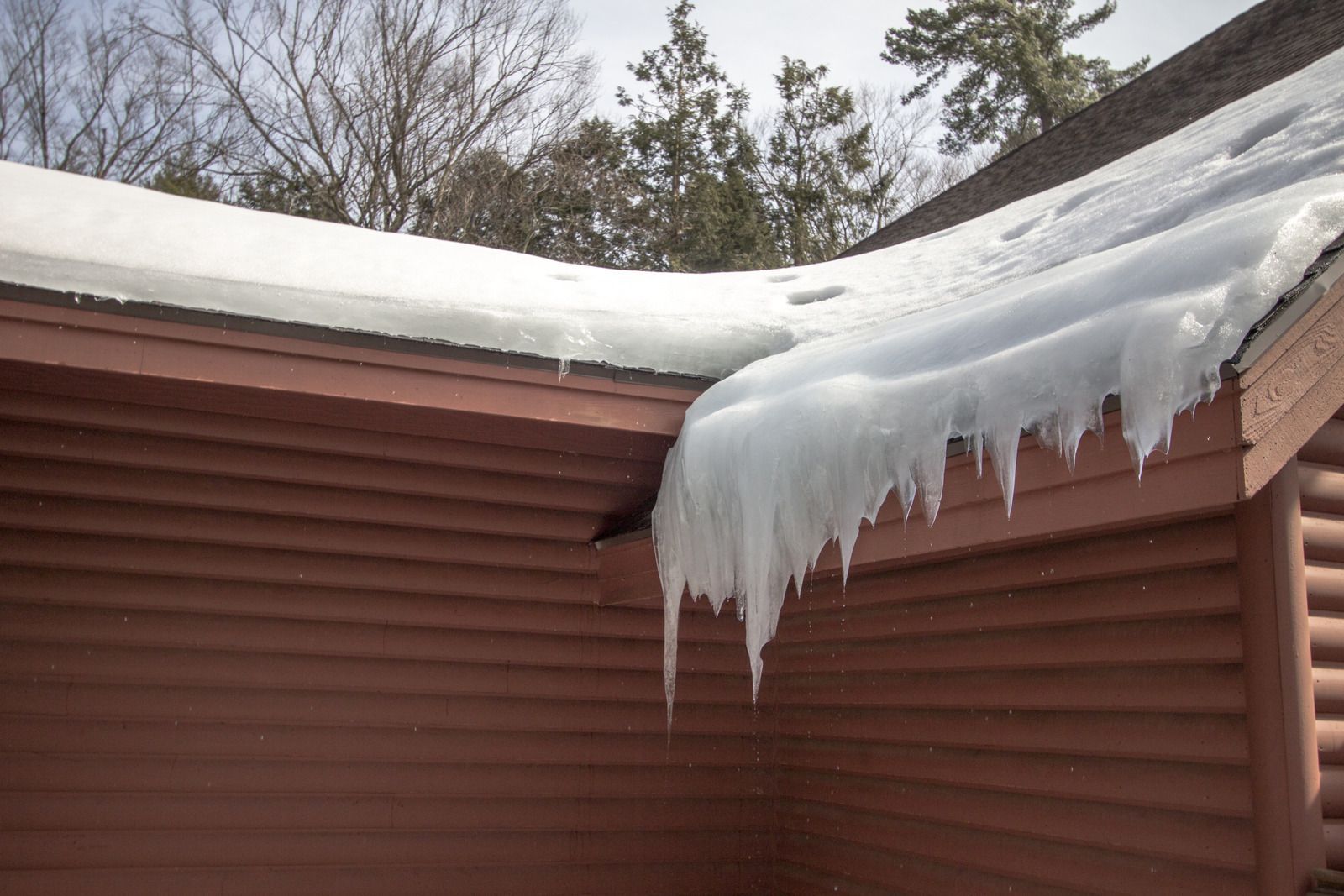
A well-ventilated roof maintains optimal attic temperatures and reduces moisture buildup. Poor ventilation can cause condensation, mold growth, and wood rot, which can compromise structural integrity. In winter, inadequate ventilation leads to ice dams, which form when heat escaping from the attic melts snow on the roof that then refreezes at the eaves.
Identifying Ventilation Issues
Signs of inadequate ventilation include uneven roof temperature, sagging roof decks, and excessive attic humidity. Ice dams and frost accumulation during winter months are also indicators. Homeowners may notice higher energy bills due to inefficient airflow and increased strain on heating and cooling systems.
Solutions and Best Practices
Installing ridge vents, soffit vents, or attic fans improves airflow and prevents moisture buildup. Pairing proper ventilation with high-quality insulation ensures the attic remains balanced, reduces energy costs, and extends roof lifespan. Regular inspections allow homeowners to identify ventilation issues before they escalate into costly repairs.
5. Structural Problems
Roof Deck and Support Issues
Over time, roofs can experience structural problems that go beyond surface-level damage. The roof deck, rafters, and trusses may weaken due to water infiltration, pest activity, or age-related deterioration. A compromised structure can lead to sagging, leaks, and, in severe cases, partial roof collapse.
Identifying Structural Weakness
Indicators of structural issues include sagging areas, uneven roof lines, and sudden leaks during rainfall. Popped nails or soft spots in the attic floor are also warning signs. Homeowners should address these problems promptly, as structural failures can jeopardize safety and significantly increase repair costs.
Preventive Measures
Routine inspections by qualified roofing professionals can detect hidden structural concerns. Reinforcing the roof deck, replacing compromised trusses, and maintaining proper ventilation are essential steps to ensure the roof remains stable and durable. Investing in structural repairs early prevents more extensive and expensive damage.
6. Gutter and Drainage Problems
The Role of Gutters
Gutters and downspouts play a critical role in directing water away from the roof and foundation. Clogged or damaged gutters can cause water to pool on the roof, accelerate shingle wear, and increase the risk of leaks. Poor drainage also contributes to soil erosion around the home and foundation damage.
Common Gutter Issues
Common problems include blocked downspouts, sagging gutters, and improper slope. Overflowing gutters during heavy rain indicate drainage inefficiency, which can lead to roof edge damage and ice dams. Neglecting gutter maintenance significantly shortens roof lifespan.
Maintenance and Solutions
Regular cleaning and inspection of gutters and downspouts are essential. Installing gutter guards prevents debris accumulation, and ensuring proper slope directs water away from the home efficiently. Professional roofers can assess overall drainage and recommend solutions to protect both the roof and the property.
7. Algae, Moss, and Fungus Growth
Causes of Biological Growth
Roofs exposed to moisture, shade, and organic debris often develop algae, moss, or fungal growth. These organisms can trap moisture against roofing materials, accelerating deterioration, staining surfaces, and promoting rot. Moist climates and shaded areas are particularly susceptible.
Detecting Biological Damage
Dark streaks, green patches, or fuzzy growths on shingles indicate algae or moss presence. In addition to aesthetic concerns, biological growth can compromise the protective granules on shingles, leaving the roof vulnerable to leaks and structural damage.
Prevention and Treatment
Maintaining a clean roof, trimming overhanging tree branches, and installing zinc or copper strips can inhibit moss and algae growth. Soft washing techniques and chemical treatments are effective for removing existing growth without damaging roofing materials. Regular inspections prevent minor biological issues from escalating.
8. Aging and Material Fatigue
Understanding Roof Lifespan
All roofing materials have a finite lifespan. Asphalt shingles typically last 20–25 years, metal roofs up to 50 years, and tile or slate can last even longer. Over time, natural wear and tear, UV exposure, and temperature fluctuations cause material fatigue, reducing effectiveness.
Signs of Aging Roofs
Fading color, curling or brittle shingles, and increased granule loss are clear indicators of an aging roof. Older roofs are more prone to leaks, structural damage, and decreased energy efficiency. Waiting too long to replace an aging roof can result in costly emergency repairs.
Mitigating Material Fatigue
Routine maintenance and timely repairs extend the life of aging roofs. Homeowners should consider roof replacement when multiple signs of aging are present, investing in high-quality materials to ensure longevity and protection.
Trusted Roof Solutions Delivered with Professional Precision
Understanding common roof problems empowers homeowners to take proactive measures that protect their homes and investment. From leaks, shingle damage, and flashing issues to ventilation challenges, structural concerns, gutter inefficiencies, and biological growth, each problem presents unique risks and requires timely attention. Early detection and preventive maintenance not only reduce repair costs but also prolong roof life and improve energy efficiency. Routine inspections, high-quality materials, and professional guidance remain the most reliable strategies for maintaining a secure and durable roof.
At TKO Builders, LLC, based in Warwick, Rhode Island, we bring 20
years of experience in
roofing solutions and home improvement
services. Our team of experts understands the complexities of residential roofing and is dedicated to delivering dependable, high-quality results. Whether addressing minor repairs or full roof replacements, we prioritize precision, durability, and customer satisfaction. Homeowners can trust TKO Builders, LLC
to provide expert advice, transparent pricing, and long-lasting protection for their most valuable investment—their home.