Top 5 Signs Your Roof Needs Attention Before It’s Too Late
Your roof is the first line of defense against the elements, shielding your home and family from rain, wind, snow, and sun. Despite its critical role, many homeowners overlook the early warning signs of roof damage until minor issues escalate into major, costly repairs. Recognizing potential problems early can prevent structural damage, water infiltration, and decreased energy efficiency, ultimately saving both money and stress in the long run. A well-maintained roof not only protects your home but also preserves its value, enhances curb appeal, and helps maintain a comfortable indoor environment. Regular inspections, timely maintenance, and prompt repairs are essential strategies every homeowner should adopt to ensure long-term durability and performance.
Roof maintenance is often underestimated because the issues are not always immediately visible or obvious to the untrained eye. Subtle indicators such as curled shingles, leaks, or granular loss can signal deeper problems that require professional attention before extensive damage occurs. Understanding these signs and acting promptly ensures your home remains safe, secure, energy-efficient, and structurally sound. In this article, we will explore the top five warning signs that indicate your roof needs attention before it’s too late, providing practical advice, expert insights, and real-world examples to guide homeowners in maintaining a healthy, long-lasting roof. Staying informed, proactive, and vigilant can safeguard your investment and help avoid unexpected emergencies and costly replacements in the future.
1. Visible Shingle Damage
Cracked, Curled, or Missing Shingles
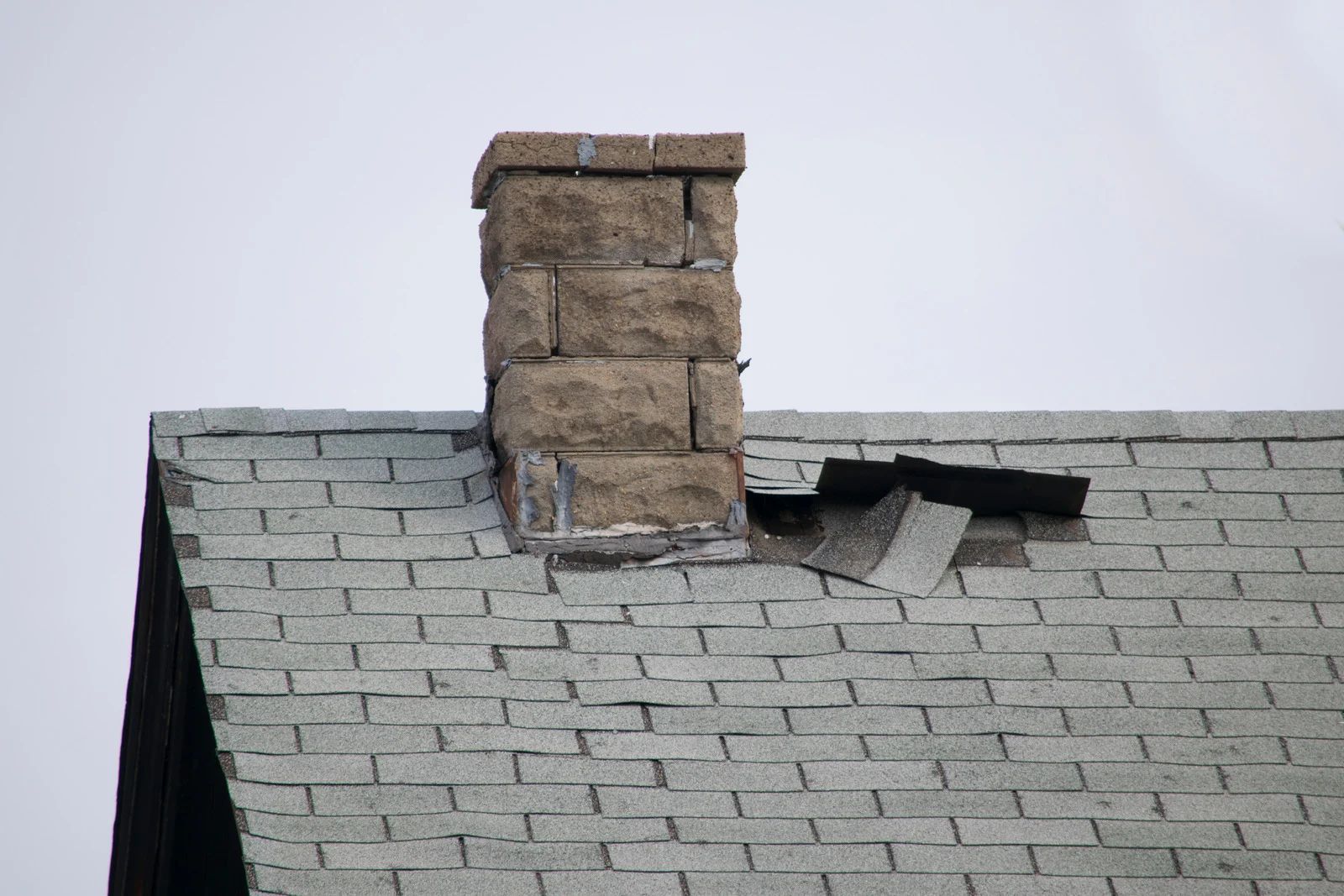
Shingles are your roof’s primary barrier against weather damage, providing essential protection from rain, wind, and sun exposure. Over time, prolonged exposure to sunlight, strong wind, heavy rain, and temperature fluctuations can cause shingles to crack, curl, or even fall off entirely from the roof surface. Cracked or curled shingles compromise the roof’s ability to repel water effectively, creating opportunities for leaks that can penetrate the underlying structure and cause interior damage over time. Missing shingles, on the other hand, leave the roof fully exposed to harsh elements, accelerating deterioration and structural weakening.
Example: After a severe hailstorm, homeowners often notice missing or damaged shingles across multiple roof sections. Ignoring this damage can lead to water seeping into the attic, promoting mold growth, wood rot, and long-term damage that becomes increasingly costly to repair.
Granule Loss and Surface Wear
Shingle granules provide UV protection, durability, and aesthetic appeal. Over time, these granules gradually wear off due to natural weather exposure, sun radiation, and heavy rainfall. Excessive granule loss can indicate that your shingles are approaching the end of their functional lifespan and may no longer protect your roof adequately. Homeowners can check gutters for accumulated granules or inspect shingles for bald spots to identify early signs of wear that require timely attention.
Best Practices: Regular roof inspections, particularly after strong storms or seasonal weather changes, can catch shingle damage early. Addressing damaged shingles promptly can prevent water leaks, preserve structural integrity, and significantly prolong the roof’s overall lifespan.
2. Water Leaks and Moisture Issues
Interior Water Stains
Water stains on ceilings or walls are often the first noticeable signs of roof leaks, alerting homeowners to potential structural issues. These stains may appear as brownish or yellowish discolorations, indicating water penetration into drywall or insulation. Even small leaks can worsen over time, causing significant structural damage, weakened framing, and mold growth that can affect indoor air quality.
Example: A homeowner notices water stains forming around a ceiling vent during heavy rain or storms. The source may be a compromised roof flashing, loose shingles, or improperly sealed vents. Prompt professional attention can prevent costly repairs to both the drywall, insulation, and interior furnishings.
Mold and Mildew Growth
Persistent moisture in the attic, roof decking, or insulation can lead to the growth of mold or mildew over time. These fungi not only damage roofing materials but also pose health risks to occupants, triggering allergies or respiratory issues. Homeowners should inspect the attic regularly for musty odors, damp insulation, visible mold growth, or signs of condensation on wood surfaces.
Best Practices: Installing proper ventilation, moisture barriers, and ensuring adequate attic airflow can reduce the risk of leaks, mold, and mildew. Regular seasonal inspections help identify early signs of moisture infiltration before they evolve into severe roof problems.
3. Sagging or Structural Deformities
Uneven Roof Lines
A sagging roofline often indicates serious structural issues with roof decking, trusses, or rafters. This type of damage may result from prolonged water exposure, accumulated snow weight, or improper initial installation of roofing materials. Even minor sagging should be taken seriously, as ignoring it can lead to more severe structural failure, increased repair costs, and potential safety hazards for occupants.
Example: A roof that dips in one section following a heavy winter may have weakened joists, water-damaged decking, or compromised support beams. Addressing the issue quickly prevents further collapse, ensures the safety of your home, and reduces future structural repair expenses significantly.
Signs of Decking Deterioration
Roof decking provides the essential foundation for shingles and overall roof stability. Water infiltration, prolonged leaks, or storm damage can cause the decking to rot, warp, or soften over time, which may manifest as uneven spots, sagging, or dips on the roof surface. Professionals often use moisture meters or perform attic inspections to assess the extent of decking damage accurately.
Best Practices: Timely reinforcement, partial replacement, or full replacement of damaged decking maintains roof integrity. Homeowners should schedule structural inspections, especially after extreme weather events, to prevent safety hazards and extend the roof’s useful life.
4. Flashing and Gutter Problems
Damaged or Missing Flashing
Flashing is a thin, critical material installed around chimneys, vents, skylights, and roof intersections to prevent water penetration. Damaged, rusted, or improperly installed flashing can allow water to enter vulnerable areas of the roof, leading to leaks, interior water damage, and structural issues. Flashing failure is often subtle but can rapidly escalate if left unaddressed.
Example: A chimney leak caused by deteriorated flashing can result in water staining in living areas, attic spaces, or ceilings. Resolving these issues promptly requires both roof repair and interior restoration to prevent mold, wood rot, and further structural damage.
Clogged or Overflowing Gutters
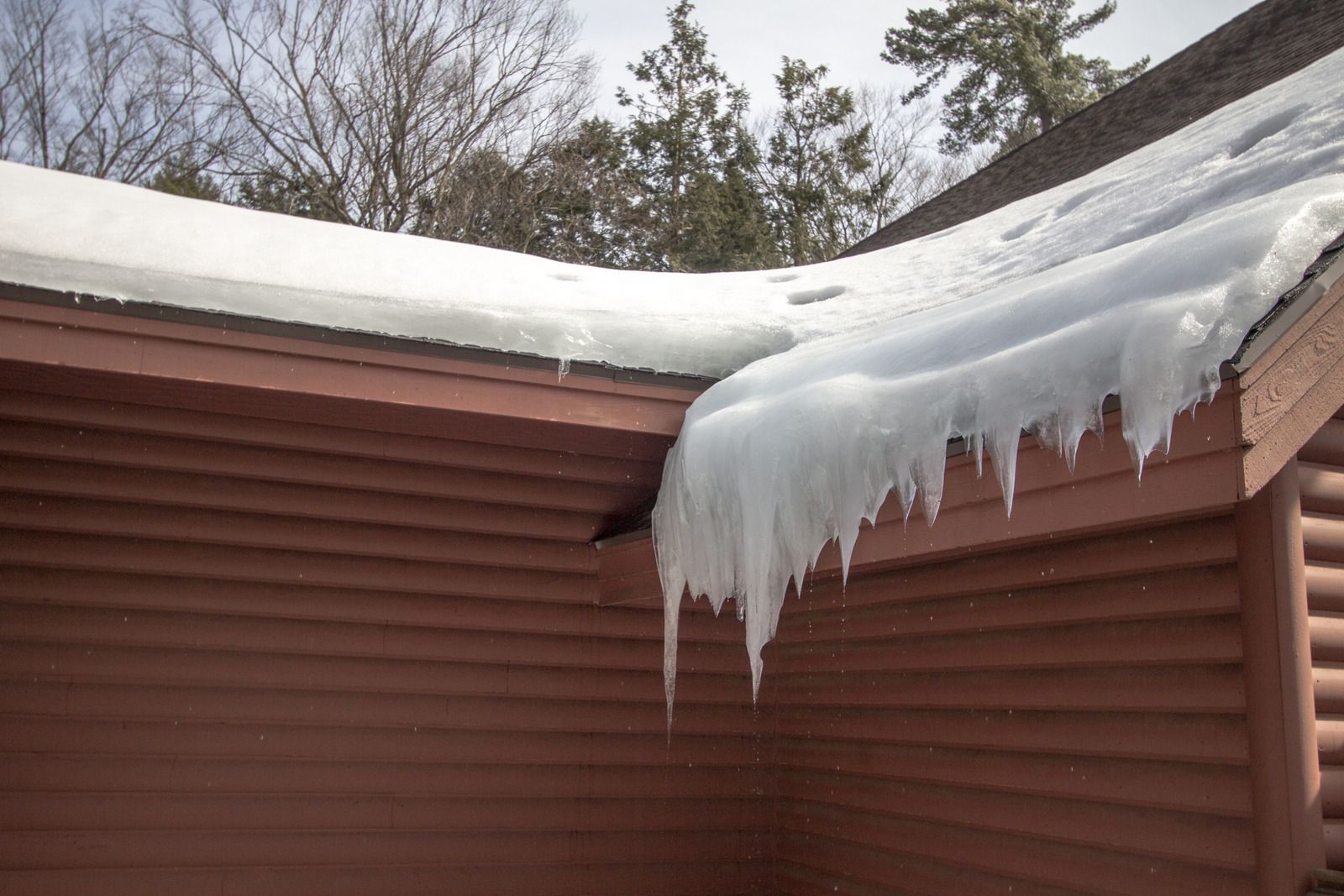
Gutters play a vital role in directing water away from your roof and home foundation. When gutters become clogged with leaves, ice, or debris, water can back up onto the roof or pool near the foundation. This can lead to shingle damage, rot in fascia boards, water infiltration, and even interior leaks in walls and ceilings.
Best Practices: Regular gutter cleaning, proper installation of downspouts, and inspection of flashing around gutters are essential for preventing water-related roof damage. Homeowners should also ensure gutters are pitched correctly to promote optimal drainage and prevent overflow during storms.
5. Aging Roof and Material Degradation
Roof Age and Lifespan
Even without visible damage, a roof’s age alone can significantly reduce its effectiveness. Most asphalt shingle roofs have a typical lifespan of 20–25 years, while metal, slate, or tile roofs may last longer under proper maintenance. As roofs age, materials become brittle, less resilient, and less able to withstand environmental stressors, leading to an increased risk of leaks and structural compromise.
Example: A 22-year-old asphalt shingle roof may show minor cracks, granule loss, and fading even if no leaks have occurred yet. Proactively planning replacement or partial repair can prevent emergency situations, unexpected expenses, and potential interior damage.
Weather and Environmental Factors
Exposure to extreme weather, fluctuating temperatures, intense UV radiation, and environmental pollutants accelerates the natural degradation of roofing materials. Homes located in coastal regions or storm-prone areas experience faster wear and tear due to wind, moisture, salt exposure, and occasional hail or snowstorms.
Best Practices: Scheduling regular professional roof inspections every few years, particularly for older homes, helps identify signs of material aging, weather damage, or structural vulnerability before they escalate. Early maintenance, repairs, or partial replacements extend the roof’s life and avoid full replacement costs unexpectedly.
Reliable Professionals Safeguarding Your Home’s Roof
Recognizing the signs of roof damage early can save homeowners significant time, money, and stress. Visible shingle damage, water leaks, structural sagging, flashing and gutter problems, and general material aging are all indicators that professional attention is required. Addressing these issues promptly not only protects the home’s structure and interior but also ensures safety, energy efficiency, and long-term value. Regular inspections and timely maintenance are essential strategies for maintaining a healthy roof, preventing unexpected emergencies, and avoiding costly repairs or replacements.
At
TKO Builders, LLC, we bring over 20 years of experience serving homeowners in Warwick, Rhode Island. Our team specializes in comprehensive roof inspections, repairs, and replacements, providing reliable, expert solutions tailored to each property. With a commitment to quality craftsmanship, transparency, and customer satisfaction, we help homeowners protect their most valuable investment—their home. Trust TKO Builders, LLC to deliver
professional guidance, durable roofing solutions, and peace of mind for every roofing project.